Split across two systems
Prescriptions were handled internally; everything else sat with a 3PL on a separate WMS. Orders were picked in different systems and different parts of the warehouse making consolidation was difficult.
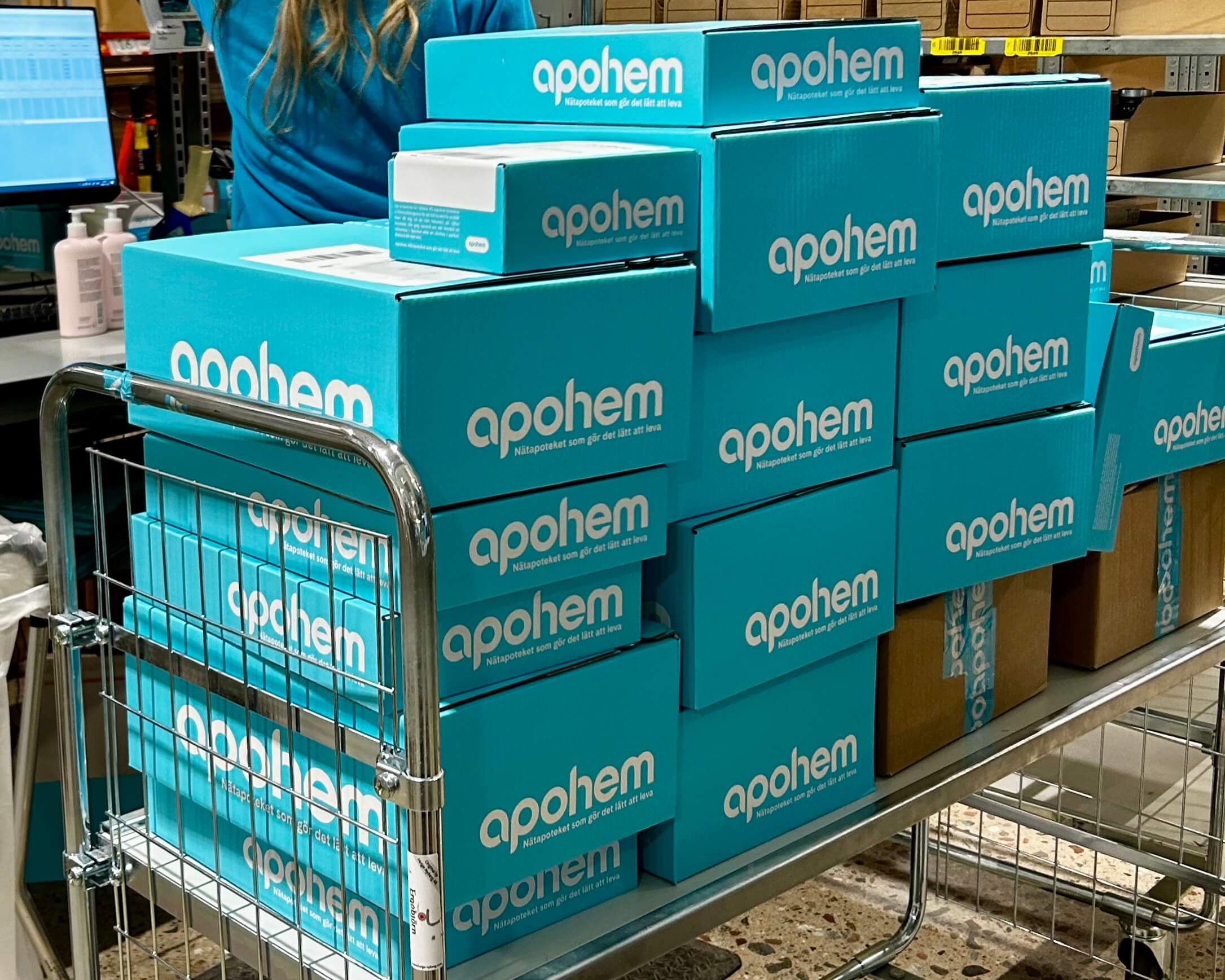
Apohem is one of Sweden's fastest-growing online pharmacies, running high-volume e-commerce out of its own warehouse near Stockholm. After bringing warehouse management in-house on Bitlog WMS, the team hit a one-year target of order lines picked per hour in four months. Now, they are looking forward to the next step: automation.
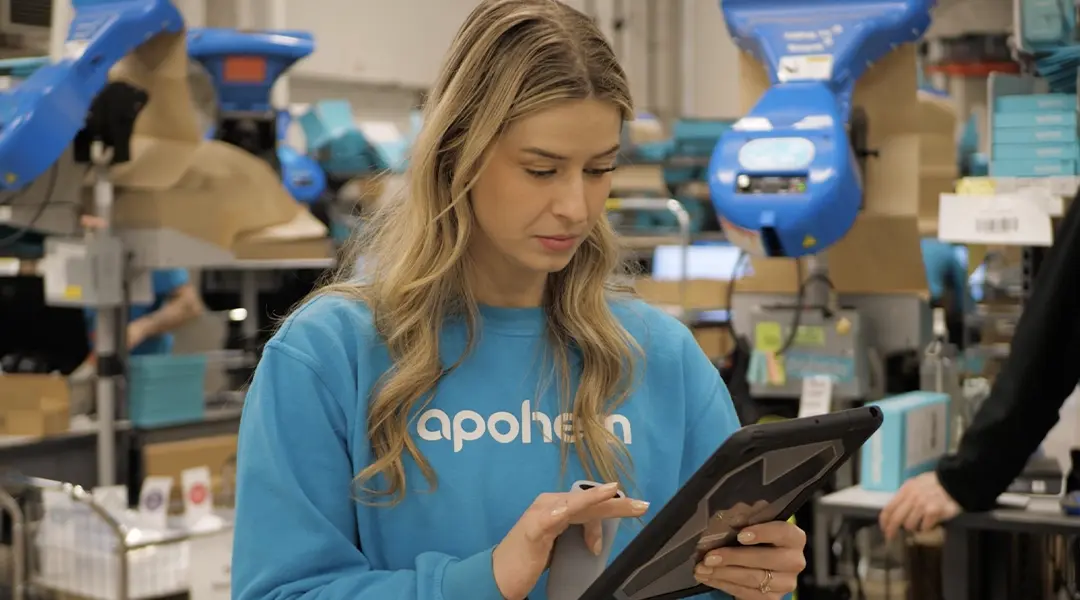
“Before Bitlog we encountered operational challenges with reliability and scaling up in volume.”

Apohem is a Swedish online pharmacy on a mission to make health and skincare accessible to everyone, without it being costly or complicated. It's also one of Sweden's fastest-growing e-commerce businesses, handling prescription management alongside more than 25,000 items in stock.
After bringing fulfillment in-house from a previous 3PL provider, first from its own 4,000m² warehouse in Årsta outside Stockholm, demand climbed fast. Today Apohem runs from a 25,000m² site in Kallhäll, north of Stockholm, built to carry that growth and the volume still ahead.
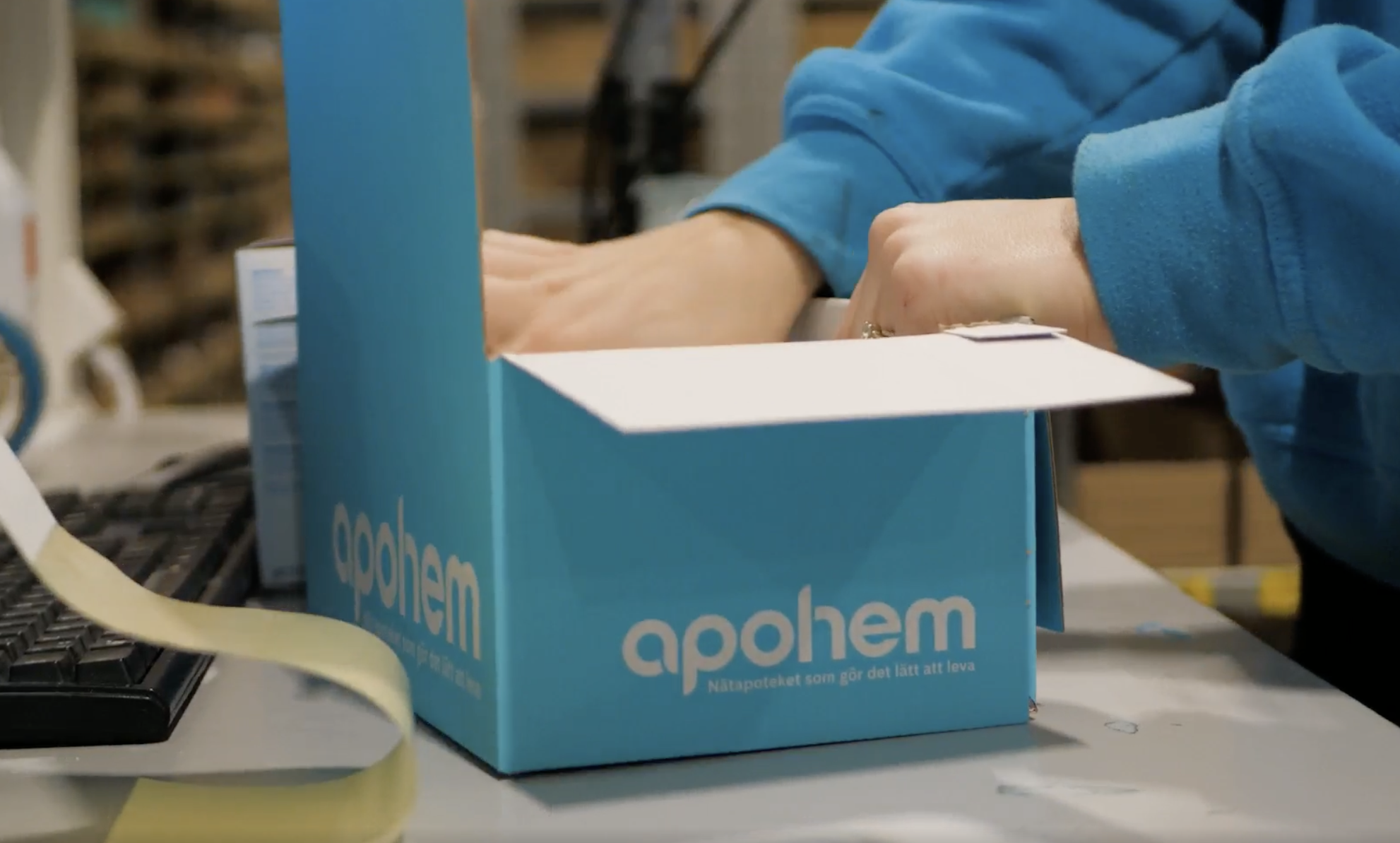
One thing that set Bitlog apart during the selection process was a hands-on reference visit. Apohem's team went to a Bitlog customer's warehouse and ran real work, picking and packing with the same tools they'd use day to day.
Two requirements shaped the decision:
As a pharmacy, Apohem needs full traceability on every transaction.
And with two weekday shifts plus weekend production, the system had to be quick to learn and reliable around the clock.
However, the ultimate deciding factor was partnership. Apohem didn't just want software, they wanted a vendor that would keep building alongside it.
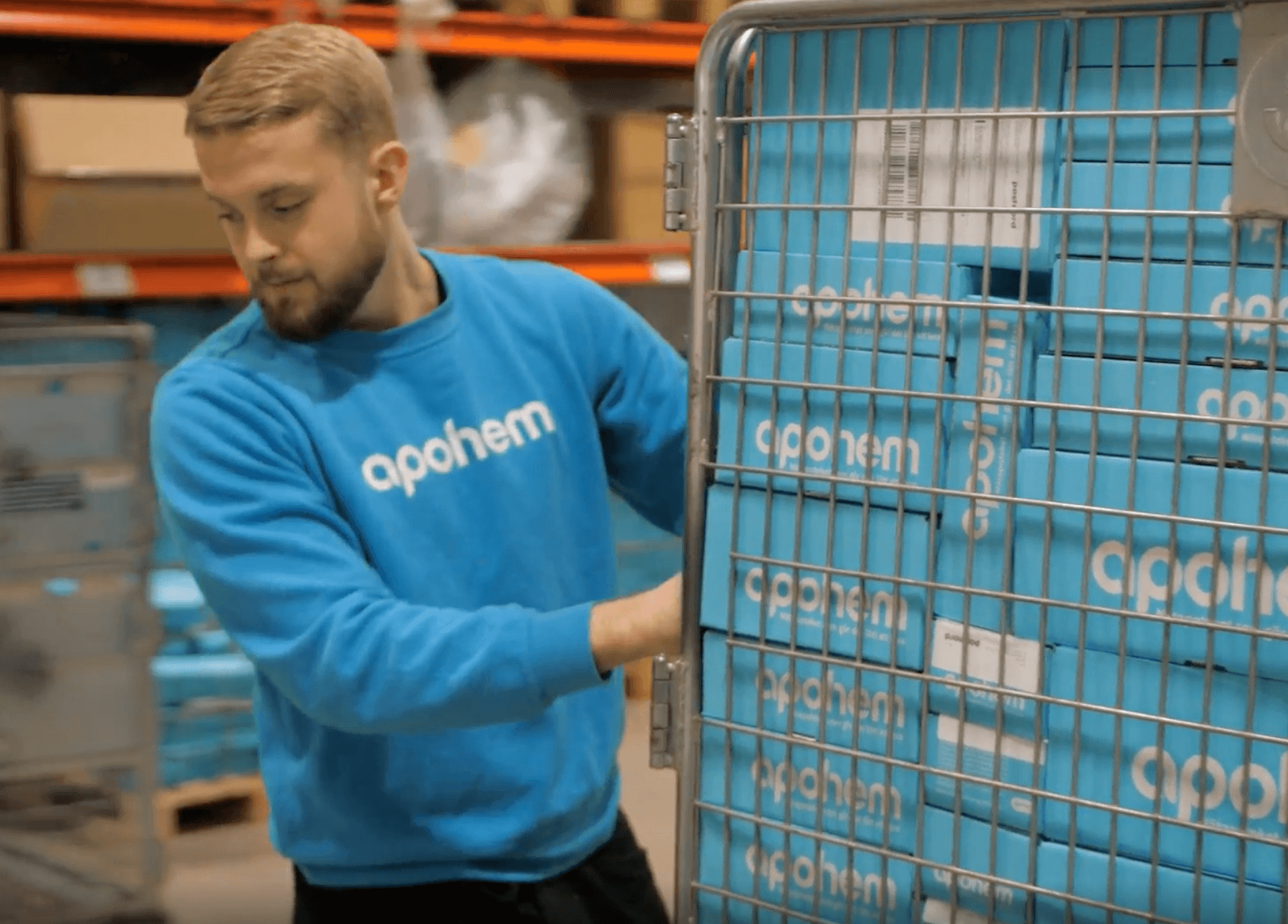
“As a pharmacy, we need traceability in all our transactions, and it also needs to be quick to get started with picking orders.”
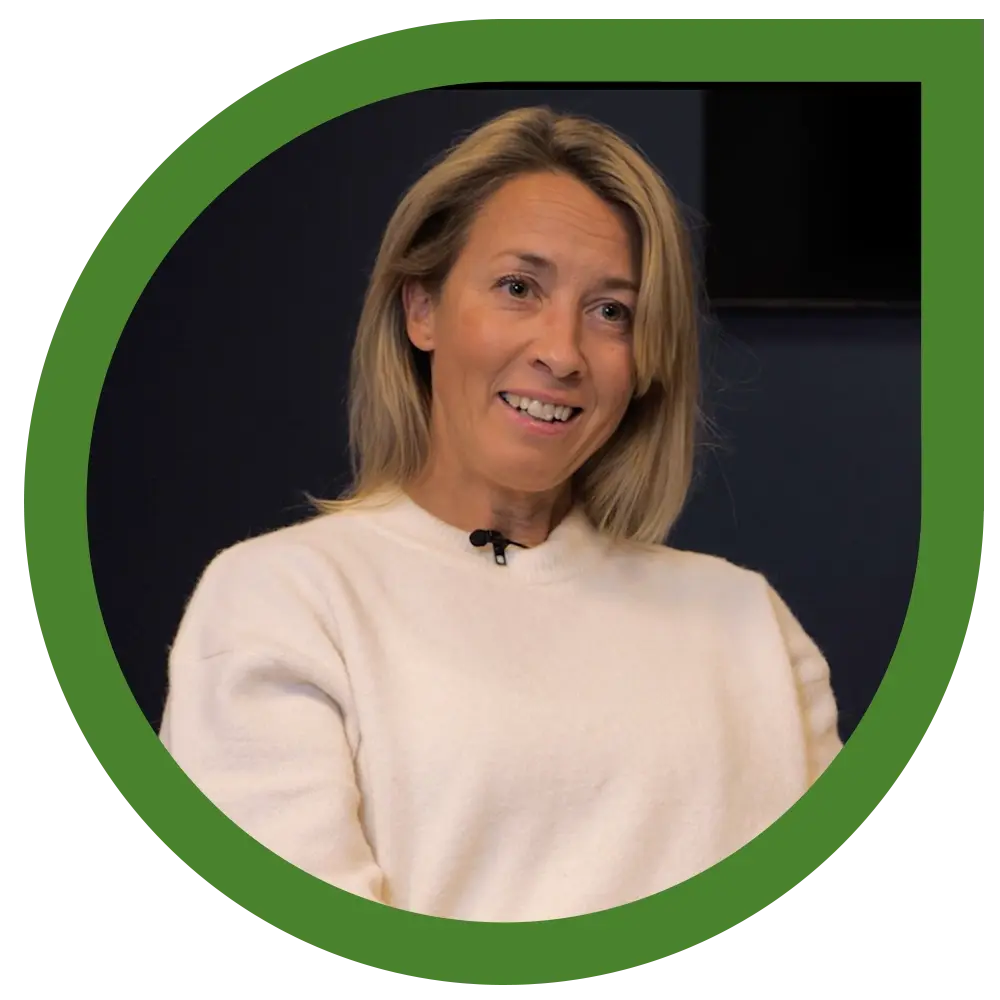
“When we started working with Bitlog WMS, we set a goal of 100 order lines picked per hour within a year. We achieved that in four months.”
Bringing warehouse management in-house on Bitlog WMS turned Apohem's split, hard-to-scale setup into one system that plans and prioritizes the day for it.
The clearest proof is picking efficiency: a one-year goal of 100 order lines per hour, reached in four months, and today Apohem picks 45% above target on average. Because Bitlog was quick to learn, Apohem could scale volume without the reliability worries of its old arrangement, and stay live across two weekday shifts and weekend production.
The co-developed Proposal Planner keeps the picking queue sequenced by cut-off, order time, and carrier, so deliveries stay on schedule as demand grows. With a 25,000 m² site and a shared roadmap, Apohem's warehouse automation has room to keep expanding on Bitlog.
 Video
Nordic e-commerce, growing in size and automation without growing pains
The full story Video
High-volume e-commerce with new batches every time on a single brain
The full story Video
30% faster inbound logistics with Bitlog WMS.
The full story