1
WMS for warehouse managers
The WMS that plans the day and steers your floor.
Bitlog is the WMS for warehouse managers who are done planning the day by hand and reacting all afternoon. It plans every order around its carrier cut-off, steers your people and your robots, and acts on its own, so orders ship on time without the manual scramble.
-
Plans the day around your cut-offs, then reworks the plan every few minutes.
-
Steers people and robots in one order flow.
-
Live in weeks. Productive in 15 minutes.


We also know what a really good Thursday could look like
Same floor, same volume, a very different afternoon. The orders still arrive all day, but the plan absorbs each one as it comes, so nothing sits waiting for you to notice it.
A WMS for warehouse managers takes the planning off your plate and keeps it current all day. Bitlog's Autopilot plans every order around its carrier cut-off, batches the picking, routes it the short way, and triggers the confirmations and documents the moment they're needed. You steer the floor instead of chasing it.
How does a WMS reduce picking errors?
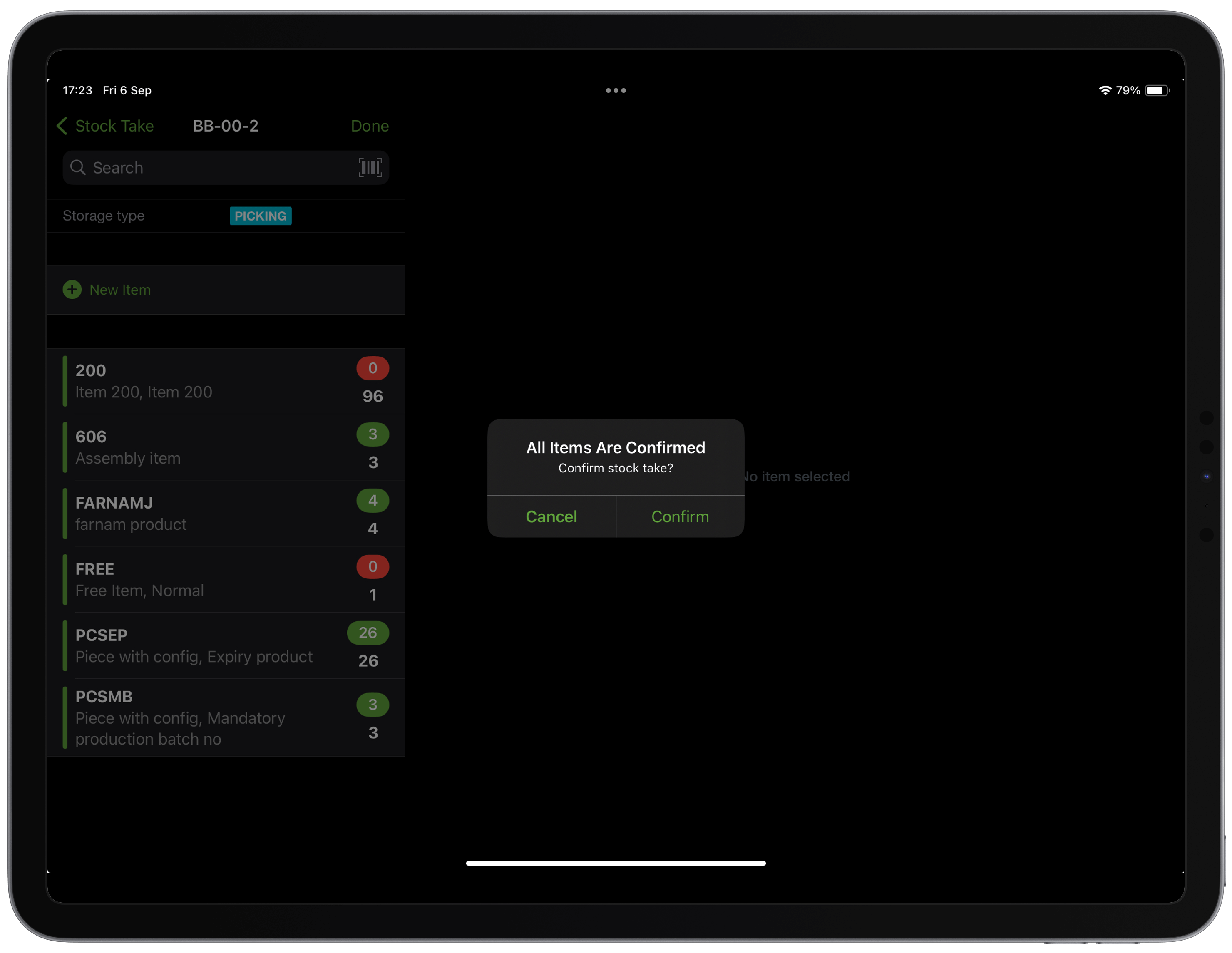
By guiding every pick and keeping stock accurate in real time. Pickers follow a directed route to the right bin and confirm on the mobile app, and every pick updates stock the instant it happens. The wrong-SKU picks that turn into returns and angry emails mostly stop happening, because the system won't let the picker guess.
And accurate stock pays off well past the pick:
-
Pickers pick with confidence. What the system shows is what's on the shelf, so nobody walks to a bin that's already been picked clean.
-
You stop overselling. Orders only promise stock that's really there, so customers don't get an out-of-stock apology after they've already checked out.
-
Replenishment runs on real numbers. Reorder points and buffer moves follow what's actually in the building, not a count that drifted weeks ago.

CFO
The business case and payback time
Bitlog typically pays for itself within 2 to 4 months through picking efficiency gains and shipping cost savings. If your CFO wants numbers, this page has them, including a breakdown of where the savings come from.
See the CFO page
CTO/CIO
How does this fit my stack?
Cloud-native on Azure, API-first, and your ERP stays the system of record. AI that assists and coaches today, with agent actions on the roadmap.
See the CTO and CIO page
CEO
Can the warehouse keep up as we grow?
Ship more from the same floor and grow without a new site. Apohem beat their picking target by 45% on average - on the footprint they already had.
See the CEO page