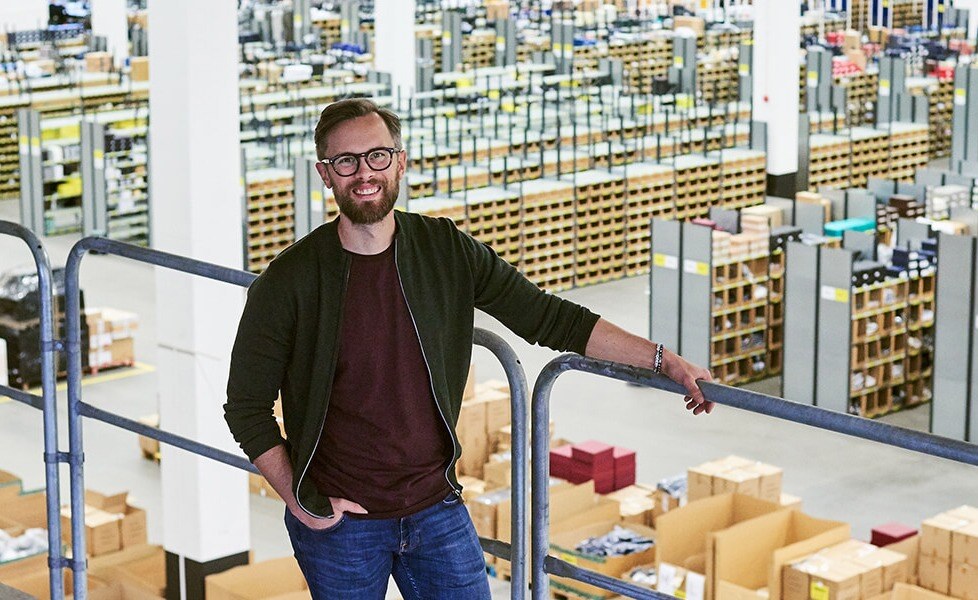
Everything ran on manual lists
Before Bitlog, picking was guided by manual lists. There was no system deciding what to pick first or where to put it, so the operation leaned on people to hold the logic in their heads.
Matsmart (Motatos) sells surplus food that's perfectly good but would otherwise go to waste, at 20–80% below regular retail. That means a warehouse full of irregular batches and short-dated stock that has to move in the right order.
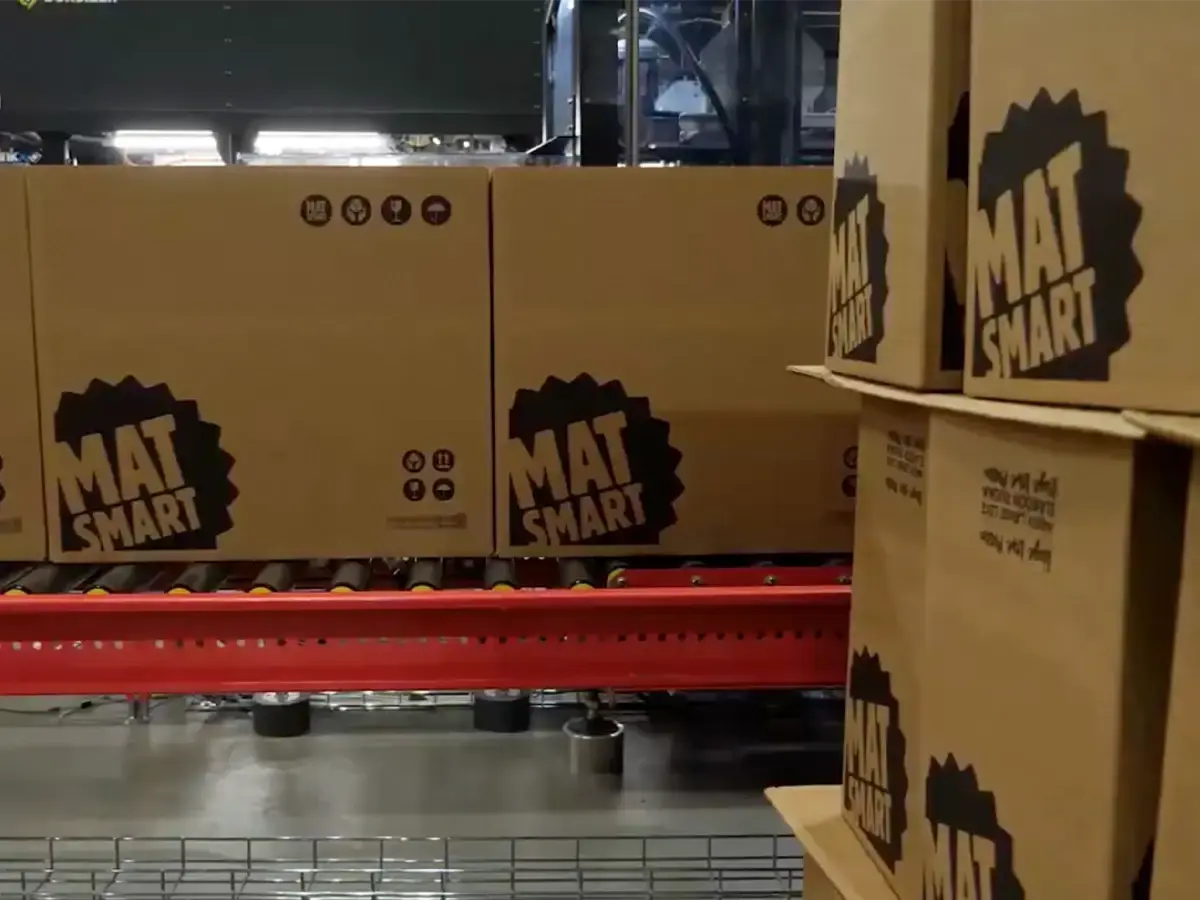
From its Örebro warehouse, Matsmart runs receiving, storage, and pick-and-pack on Bitlog WMS Advanced. As its Key User puts it, Bitlog changed everything except the moment a hand touches the product.
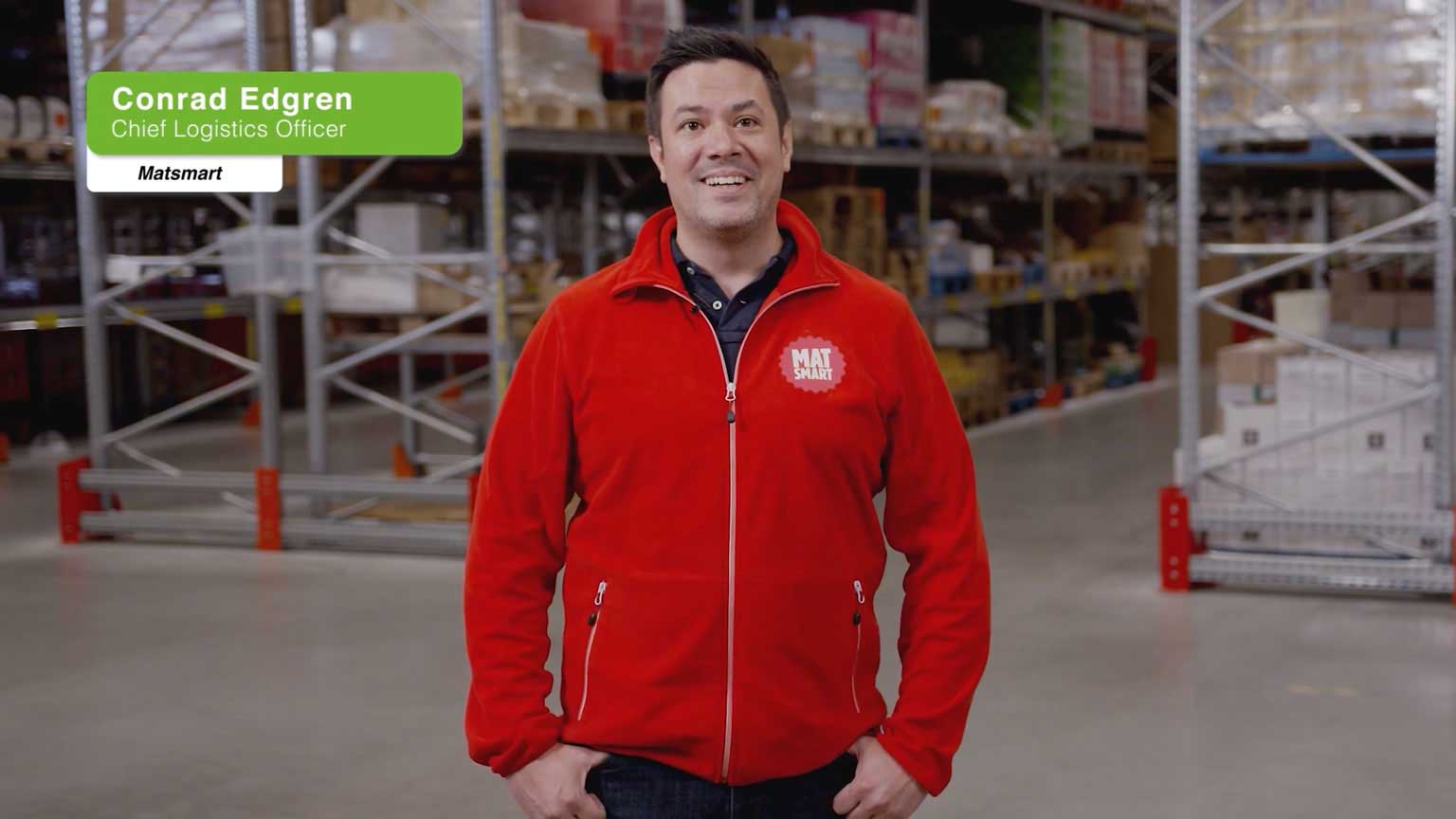
Conrad Edgren, Chief Logistics Officer
Erik Nguyen, Key User
“One-third of all the food produced in the world is thrown away, even though there's nothing wrong with it. We decided that flawless food should be eaten, not thrown away.”
About a third of all the food produced in the world is thrown away, even though there's nothing wrong with it. Matsmart started in 2013, in Katrineholm, to change that.
The idea was to buy up surplus and perfectly good food that would otherwise be wasted, then sell it to smart, conscious shoppers at 20–80% below regular retail.
What began in Sweden now reaches customers across Denmark, Finland, and Germany too, under the Motatos name.
The mission puts an unusual demand on the warehouse: stock arrives in irregular batches, with varying quantities and expiration dates that decide what has to move first.
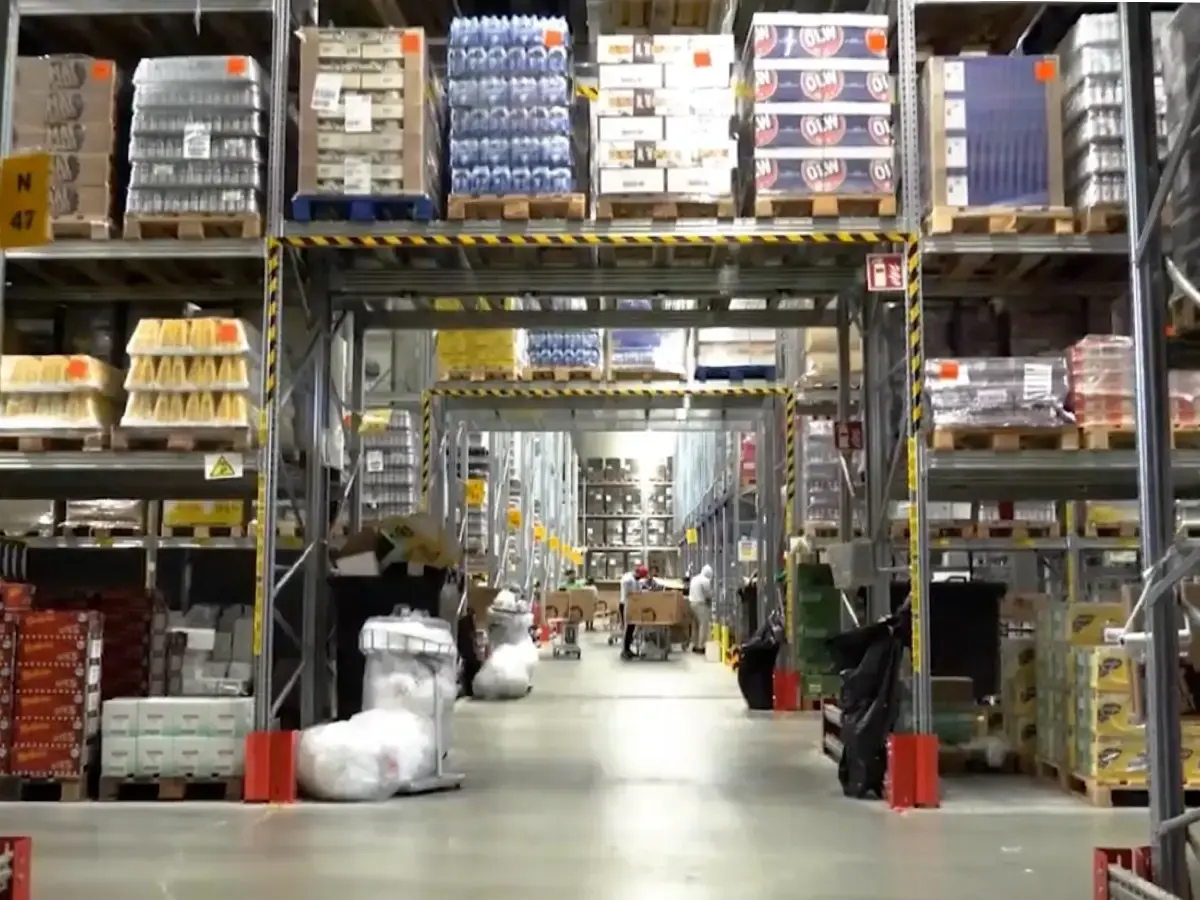
Selling surplus food means the inventory never behaves like a normal catalog. Quantities change, dates drive priority, and the old way of working couldn't keep up.
Before Bitlog, picking was guided by manual lists. There was no system deciding what to pick first or where to put it, so the operation leaned on people to hold the logic in their heads.
Surplus food arrives in uneven batches with different quantities and expiration dates every time. Without a system to set pick locations and shelf strategy, deciding what to pick and what to replenish was a constant judgment call.
Receiving, storage, and pick-and-pack weren't connected in one view. The team couldn't see the full chain, from a pick location to a shelf location, or know which location to pick first and which to top up next.
Matsmart didn't set out to fix one task. It set out to connect the whole chain. The rollout started with inbound, the point where surplus stock enters the building, and extended through all the storage and pick-and-pack work across the operation.
Running on Bitlog WMS, the warehouse moved from manual lists to digital picking guidance on tablets. Bitlog sets the pick locations and the shelf strategy, decides the order in which locations are picked, and flags which ones need replenishing and which don't. Pack automation handles the back half of the flow, from goods reception through to packing.
The result is that the logic no longer lives in people's heads. It lives in the system, which matters most exactly when the stock is unpredictable.
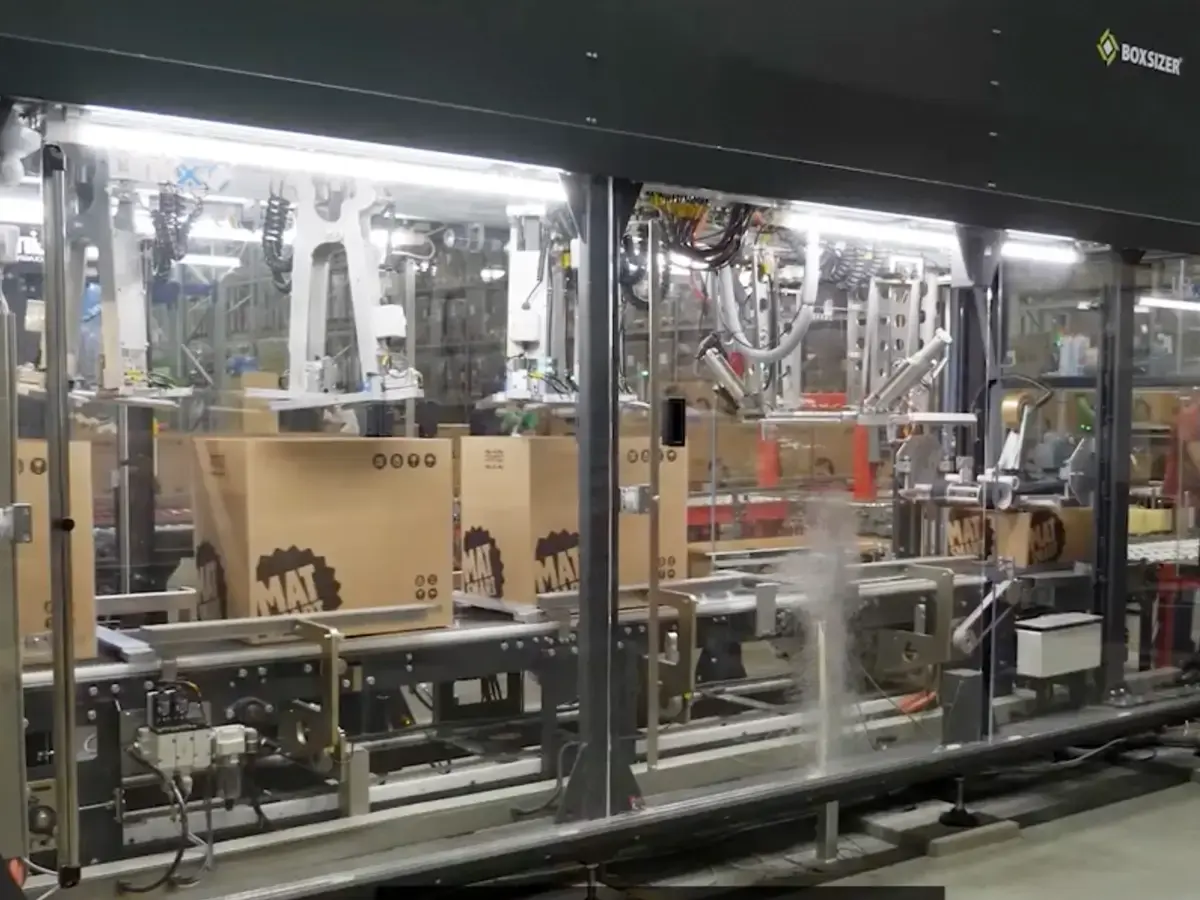
Matsmart runs Bitlog WMS Advanced with pack automation. Bitlog covers the operation end to end, from the moment surplus stock is received to the moment an order is packed, with tablet-based guidance in the pickers' hands.
Digitized goods reception brings each irregular batch into the system with its own quantities and dates, so the rest of the flow has accurate stock to work from.
Learn moreBitlog assigns pick locations to shelf locations and sets the order of picking, so short-dated and priority stock moves first without anyone having to remember the rule.
Learn morePickers work from tablet guidance instead of manual lists, told which order to pick and which location to take first.
Learn moreThe system flags which locations to top up and which to leave, keeping the right stock in the right place as batches come and go.
Learn more“With Bitlog we can see exactly, from pick location to shelf location, which location to pick first and which one to replenish. We couldn't do that before.”
The hard part of a surplus-food warehouse isn't the picking motion. It's every decision around it: which order to pick, which location to go to first, what to replenish, what to leave alone, all while the stock keeps changing shape.
Matsmart's answer was to let the system own those decisions. Bitlog reaches from inbound through storage and into pick-and-pack, setting the pick locations, the shelf strategy, and the sequence of work. What's left for the team is the one thing a system can't do: physically pick the product. As Matsmart's Key User describes it, Bitlog changes everything except that.
“Without Bitlog, this wouldn't work the way it does today.”
Matsmart rebuilt its interlogistics chain around Bitlog WMS, and the payoff shows up in how predictably the operation runs, not in a single headline number.
Pickers no longer carry the logic themselves. Bitlog tells them what to pick and where to go first.
Receiving, storage, and pick-and-pack run in one view, so the team can see the whole chain from pick location to shelf location.
Pick and replenishment strategy adapt to uneven batches and expiration dates instead of relying on manual judgment.
With the chain digitized, the operation has room to scale without adding manual overhead.
Matsmart's Örebro warehouse now runs on Bitlog WMS, from receiving through storage to pick-and-pack, with pack automation closing the loop.
Moving off manual picking lists gave the operation something it never had: a system that sets pick locations and shelf strategy, decides the order of picking, and manages replenishment on its own, even when every batch of surplus food arrives with different quantities and dates. Pickers work from clear tablet guidance instead of memory, which keeps the floor running as volumes shift.
The whole interlogistics chain is connected in one view, so nothing falls between receiving and the packing bench. For a business whose entire model depends on moving good food before it's wasted, that reliability is the point, and it's what gives Matsmart room to keep growing across Sweden, Denmark, Finland, and Germany.
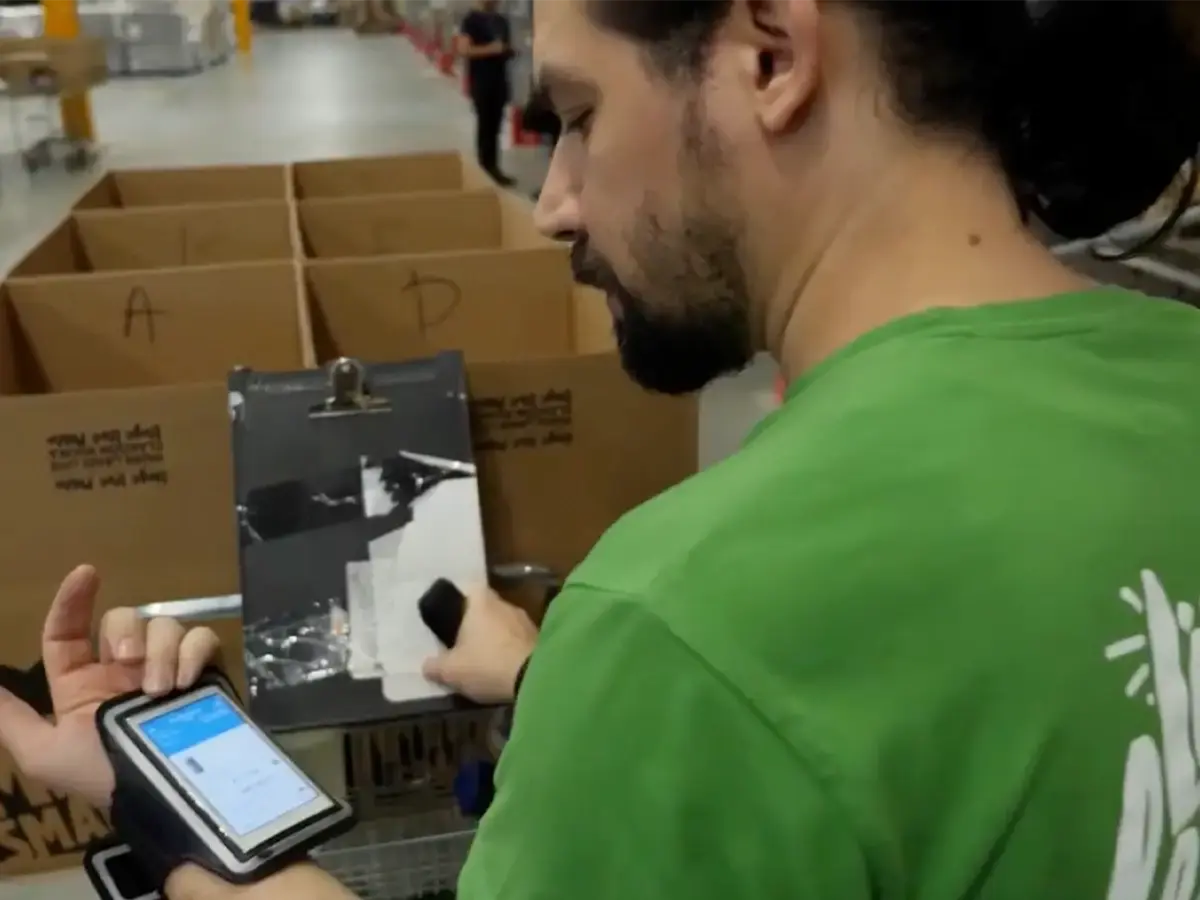
Picking runs on digital guidance instead of manual lists, so the right order and the right location are decided by the system, not by whoever's on shift.
Receiving, storage, and pick-and-pack sit in a single view, giving the team line of sight from pick location to shelf location for the first time.
With the flow digitized end to end, Matsmart has a foundation it can build on, which is exactly how the team describes Bitlog's place in its future.
play_circle
Video
40% more efficient, 25% lower staffing costs
The full story arrow_forward
play_circle
Video
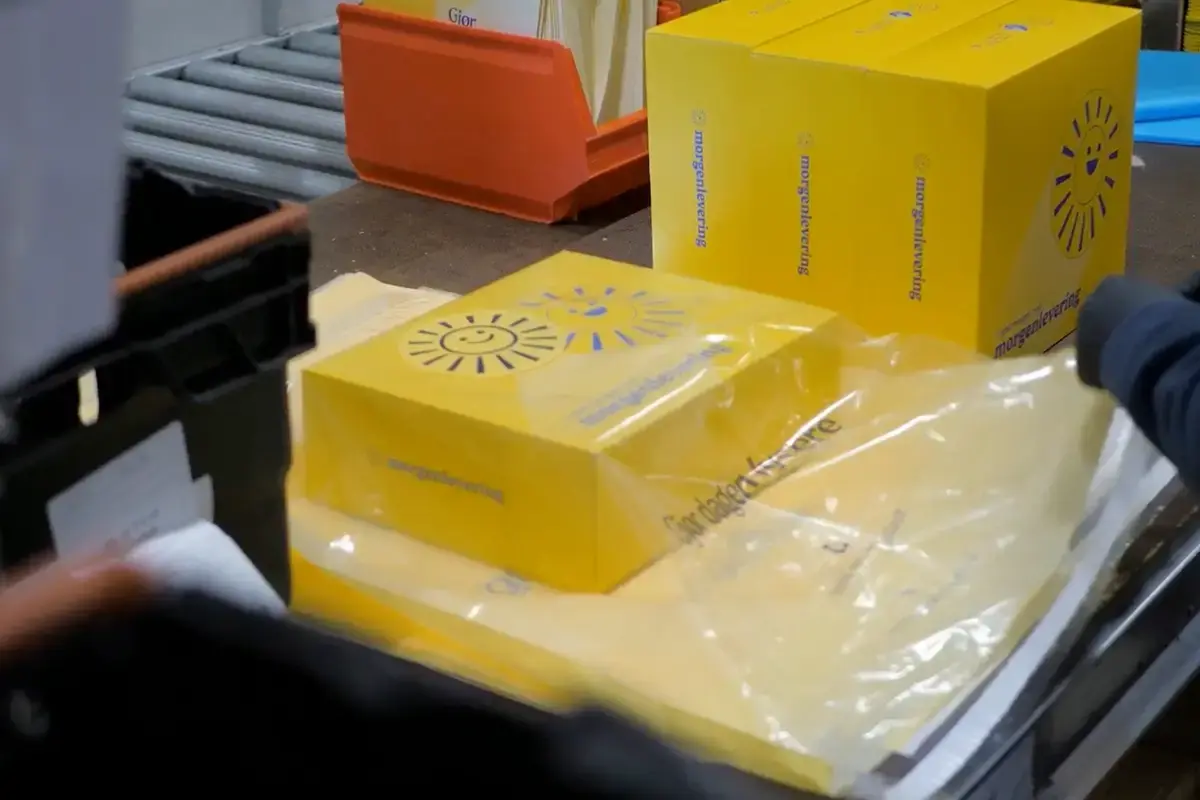
25% YoY growth by growing their assortment and eliminating picking errors.
The full story arrow_forward
play_circle
Video
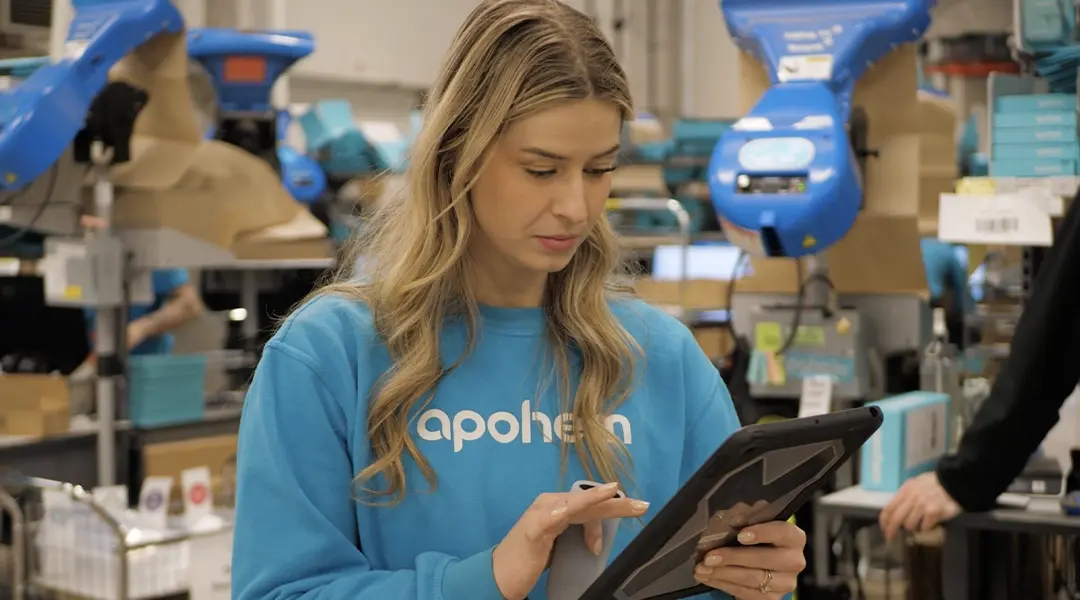
Ettårsmålet för plock nått på fyra månader. Snabb tillväxt med ny automation.
The full story arrow_forward